
Non-Marine risks are considered together, not because they are not worthy of individual attention, but because the underlying principles that govern their treatment for insurance purposes are quite similar. At Risk Watch, the Insurance Broking Division handles many aspects of this category of insurance business including the following:
Fire & Special Perils Insurance
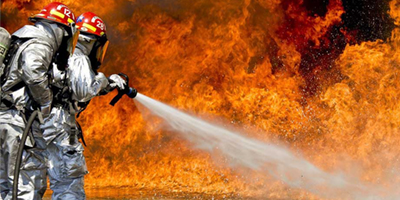
After a thorough examination and understanding of the requirements of the client, a policy is designed to suit each client.
Risk Watch will advise on adequacy of Sums Insured and appoint competent surveyors, where necessary, to evaluate the attendant risks and provide advice on methods of reducing the risks.
Risk Watch will advise on adequacy of Sums Insured and appoint competent surveyors, where necessary, to evaluate the attendant risks and provide advice on methods of reducing the risks.
Burglary Insurance

The aim of Burglary Insurance is to provide compensation to the insured party in the event of loss of burglary, the rating procedure centres around the degree of attractiveness of the insured goods to thieves.
After a detailed inspection of the nature of goods to be insured is carried out, Risk Watch will advise on the protection and security of the proposed premises and make recommendations for Burglary Insurance.
After a detailed inspection of the nature of goods to be insured is carried out, Risk Watch will advise on the protection and security of the proposed premises and make recommendations for Burglary Insurance.
Goods in Transit Insurance
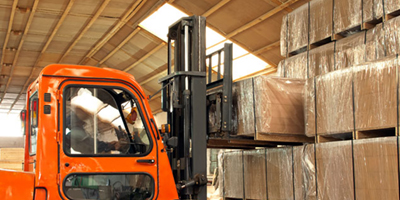
Transportation of goods – finished products and raw materials - are an important aspect of business activity especially in the manufacturing sector.
A Goods In Transit insurance policy is of utmost importance and cover is arranged to cover goods carried by the own vehicles or by hired vehicles.
A Goods In Transit insurance policy is of utmost importance and cover is arranged to cover goods carried by the own vehicles or by hired vehicles.
Money Insurance

Financial Institutions – especially commercial banks – deal with cash in various currencies. Other commercial enterprises also handle cash in various forms.
The policy provides compensation to the insured in the event that cash is lost whilst in transit, on the premises of the insured (kept in a safe or otherwise) and/or in the personal custody of employee.
The policy provides compensation to the insured in the event that cash is lost whilst in transit, on the premises of the insured (kept in a safe or otherwise) and/or in the personal custody of employee.
Engineering Insurance

The policy available in this class of insurance covers equipment such as cranes, manufacturing plant and machinery, construction equipment, electrical equipment, engines and computers. The policy covers damage caused to the equipment including in some cases breakdown of the equipment.
The insurance industry has found it necessary to provide inspection services as required by law for some manufacturing plants along with providing insurance cover.
The insurance industry has found it necessary to provide inspection services as required by law for some manufacturing plants along with providing insurance cover.
Public Liability Insurance
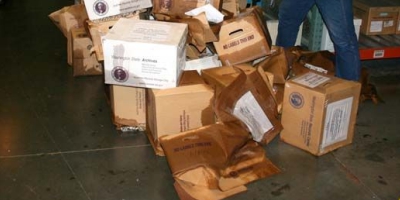
Members of the public may suffer injury or damage to their property while they visit the business premises or homes of other persons, or as a direct result of the activities of someone else.
The policy protects those who have to assume the responsibility of paying damages.
The policy protects those who have to assume the responsibility of paying damages.
Products Liability Insurance

This is a very onerous liability arising out of goods manufactured, sold or supplied.
If a person is injured by any product he purchases, and he can show that the seller, or in some cases the manufacturer was to blame, he could succeed in a claim for damages.
If a person is injured by any product he purchases, and he can show that the seller, or in some cases the manufacturer was to blame, he could succeed in a claim for damages.
All Risks Insurance

All Risks policies are very popular in today’s market as they give wider protection than afforded by the more specific policies, particularly for expensive valuable such as Jewelry, Cameras, Computers and other office machines.
The cover is for accidental loss or damage regardless of the actual location of the goods at the time of loss.
The cover is for accidental loss or damage regardless of the actual location of the goods at the time of loss.
Bonds

Bonds can briefly be described as guarantees by insurance companies attesting to the credibility of an individual or a company. There are basically four types of bonds available in the market.
These are Bid/Tender Bond, Advance Payment Bond, Performance Bond and Retention Bond.
These are Bid/Tender Bond, Advance Payment Bond, Performance Bond and Retention Bond.
Bid/Tender Bond

This is a collateral required from a contractor at the bidding stage of the contract. It provides for the possible expenses that the prospective principal/employer may incur should the contractor reject to accept the contract after the offer is made.
Advance Payment Bond

Advance payment bond provides guarantee from an insurance company to the principal/employer for the percentage advance amount or mobilization amount that the principal/employer provides for the commencement of the contract.
Performance Bond

It is provided as a guarantee for employer/principal on behalf of the contractor that in the event of non-performance of the contract work as agreed, the insurer will pay for the amount (usually 10% or more) to correct the defect. This is to ensure that the contract works meet agreed specification on completion.
Retention Bond

After the completion of the contract work, the contract agreement usually provides for maintenance period of either six (6) months or Twelve (12) months. This is to enable the contractor rectify any defect in the contract performed.
The principal/employer usually retain between 10% to 15% of the contract amount to be paid as balance until after the maintenance period. In order to enable the contractor to have access to fund other contracts, insurance company will guarantee immediate payment of the balance and ensure that the contactor carry out the maintenance.
The principal/employer usually retain between 10% to 15% of the contract amount to be paid as balance until after the maintenance period. In order to enable the contractor to have access to fund other contracts, insurance company will guarantee immediate payment of the balance and ensure that the contactor carry out the maintenance.
Personal Accident Insurance
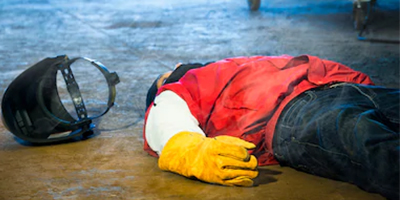
The intention of the basic policy is to provide compensation in the event of an accident causing death and injury, a lump sum is paid in the event of death or loss of eyes or limbs and benefits are paid for up to 104 weeks.
It is also possible for companies to arrange cover for their employees therefore group schemes are increasingly popular.
It is also possible for companies to arrange cover for their employees therefore group schemes are increasingly popular.
Medical Expenses Insurance

Under this type of policy, doctor’s fees and other medical charges are paid for by the insurers following an accident or sickness.
A more specialized policy providing for Evacuation to Specialist Hospitals in most parts of the world can also be arranged for clients by Risk Watch.
The policy can be extended to meet all Medical Expenses up to a reasonably high limit.
A more specialized policy providing for Evacuation to Specialist Hospitals in most parts of the world can also be arranged for clients by Risk Watch.
The policy can be extended to meet all Medical Expenses up to a reasonably high limit.
Fidelity Guarantee Insurance

This class of business provides insurance against loss by reason of the dishonesty of persons holding positions of trust in a company.
Professional Indemnity Insurance

Risk Watch maintains relationships with underwriters who provide cover for risks to which professionals in many diverse fields are exposed. For businesses operating in a world increasingly ready to impute liability measured in huge values for errors of judgment or negligence.
Risk Watch can help identify and analyse means of controlling or eliminating them and design and place appropriate insurance protection for those that cannot be avoided.
Risk Watch can help identify and analyse means of controlling or eliminating them and design and place appropriate insurance protection for those that cannot be avoided.
Householders Comprehensive Insurance

This is a combined policy whereby a wide scope of cover is underwritten under one heading, the policy covers fire, special perils, theft, loss of rent, public liability, breakage of glass, breakage of water pipes, and sanitary fittings among others.
The policy could cover the building and/or the contents.
The policy could cover the building and/or the contents.
Consequential Loss Insurance

This is also referred to as Loss of Profits Insurance or Business Interruption Insurance.
This policy deals with the loss of profits of a business or the additional expenditure necessary after some physical property has been damaged either by fire, special perils, engineering breakdown or computer damage or breakdown.
The policy will pay for:
• Overhead costs which will remain at their full level even though sales are reduced
• Net Profit which would have been reduced
• Certain increases in costs incurred to keep the business going in a temporary manner.
This policy deals with the loss of profits of a business or the additional expenditure necessary after some physical property has been damaged either by fire, special perils, engineering breakdown or computer damage or breakdown.
The policy will pay for:
• Overhead costs which will remain at their full level even though sales are reduced
• Net Profit which would have been reduced
• Certain increases in costs incurred to keep the business going in a temporary manner.
Construction Insurance

Risk Watch is very familiar with the insurance needs of the construction industry, paying particular attention to the very large projects undertaken by major international contractors. Projects include highways, bridges and tunnels, airports and harbours, dams and underground projects; refineries, smelters, steelworks, manufacturing and assembly plants of all kinds.
Risk Watch prefers to work with clients from the conceptual stages so that all possible risk management and loss prevention measures can be incorporated into the design. This way, when a project is put to tender, a comprehensive insurance package has already been built into the contract. All relationships between the owner, the engineer and the sub-contractors unique to each project are identified and each party is aware of the extent of their liability and how to manage it.
Risks associated with construction include delay in completion and performance bonding; in addition, there are political and financial risks and professional indemnity.
Policies available in this area include:
• Contractors All Risks Insurance – which covers all risks associated with construction contracts of all description including the contract works, materials on site, contractors equipment, third party liability and associated risks.
• Erection All Risks Insurance – which covers risks associated with the erection of plants and machinery for factories, refineries, power stations and such risks.
Risk Watch prefers to work with clients from the conceptual stages so that all possible risk management and loss prevention measures can be incorporated into the design. This way, when a project is put to tender, a comprehensive insurance package has already been built into the contract. All relationships between the owner, the engineer and the sub-contractors unique to each project are identified and each party is aware of the extent of their liability and how to manage it.
Risks associated with construction include delay in completion and performance bonding; in addition, there are political and financial risks and professional indemnity.
Policies available in this area include:
• Contractors All Risks Insurance – which covers all risks associated with construction contracts of all description including the contract works, materials on site, contractors equipment, third party liability and associated risks.
• Erection All Risks Insurance – which covers risks associated with the erection of plants and machinery for factories, refineries, power stations and such risks.
Motor Insurance

As the name implies, Motor Insurance basically refers to the insurance of vehicles against accidental damage, fire, or theft or injury incurred in the course of driving a vehicle. Vehicle here refers to any form of automobile ranging from motorcycles to forklifts.
The standard types of policy available are as follows:
The standard types of policy available are as follows:
Third Party Only
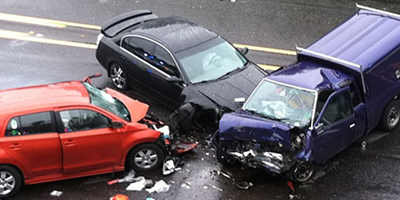
This insurance cover relates to claims made against the insured in the course of driving the vehicle. This means that the insurer will be liable for third party property damage or injury.
This policy does not cover damages or injury done to the insured’s car or person.
In fact, the term, “third party” refers to persons or property involved with the insured by way of accident, who therefore becomes a third party between the insurer and the insured.
This policy does not cover damages or injury done to the insured’s car or person.
In fact, the term, “third party” refers to persons or property involved with the insured by way of accident, who therefore becomes a third party between the insurer and the insured.
Special Types
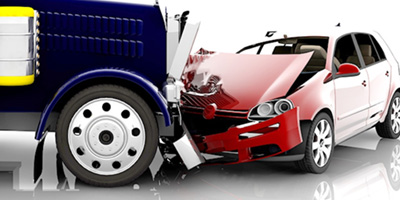
Motor Insurance is available for special types of vehicles including:
• Forklifts
• Mobile Cranes
• Earth moving vehicles
• Motor trader’s find motor insurance policies particularly useful given their rapid turnover of vehicles and particular needs of their profession therefore, separate policies are arranged to provide cover as follows:
• Road Risks: This covers vehicles owned by the insured while away from the insured’s premises.
• Internal Risks: This covers damages or loss of vehicles by the owners.
• Combined Road and Garage: A combination of road and internal Risks and more.
• Forklifts
• Mobile Cranes
• Earth moving vehicles
• Motor trader’s find motor insurance policies particularly useful given their rapid turnover of vehicles and particular needs of their profession therefore, separate policies are arranged to provide cover as follows:
• Road Risks: This covers vehicles owned by the insured while away from the insured’s premises.
• Internal Risks: This covers damages or loss of vehicles by the owners.
• Combined Road and Garage: A combination of road and internal Risks and more.
Comprehensive

This cover is the widest form of cover available for motor insurance while it includes all the benefits of the full third party cover, it also covers virtually all accidental loss or damage to the insured vehicle.
The private care comprehensive insurance includes benefits such as:
• Personal Accident Insurance thereby providing a death benefit and benefits or serious injuries like loss of limbs for the insured and spouse
• Medical expenses to cover injuries sustained by any occupant of the insured vehicle in the event of accident. Though these expenses are up to a limited sum, it is different from any legal liability upon the insured.
• Loss or damage to personal effects such as brief cases and suits while in the car.
The private care comprehensive insurance includes benefits such as:
• Personal Accident Insurance thereby providing a death benefit and benefits or serious injuries like loss of limbs for the insured and spouse
• Medical expenses to cover injuries sustained by any occupant of the insured vehicle in the event of accident. Though these expenses are up to a limited sum, it is different from any legal liability upon the insured.
• Loss or damage to personal effects such as brief cases and suits while in the car.